
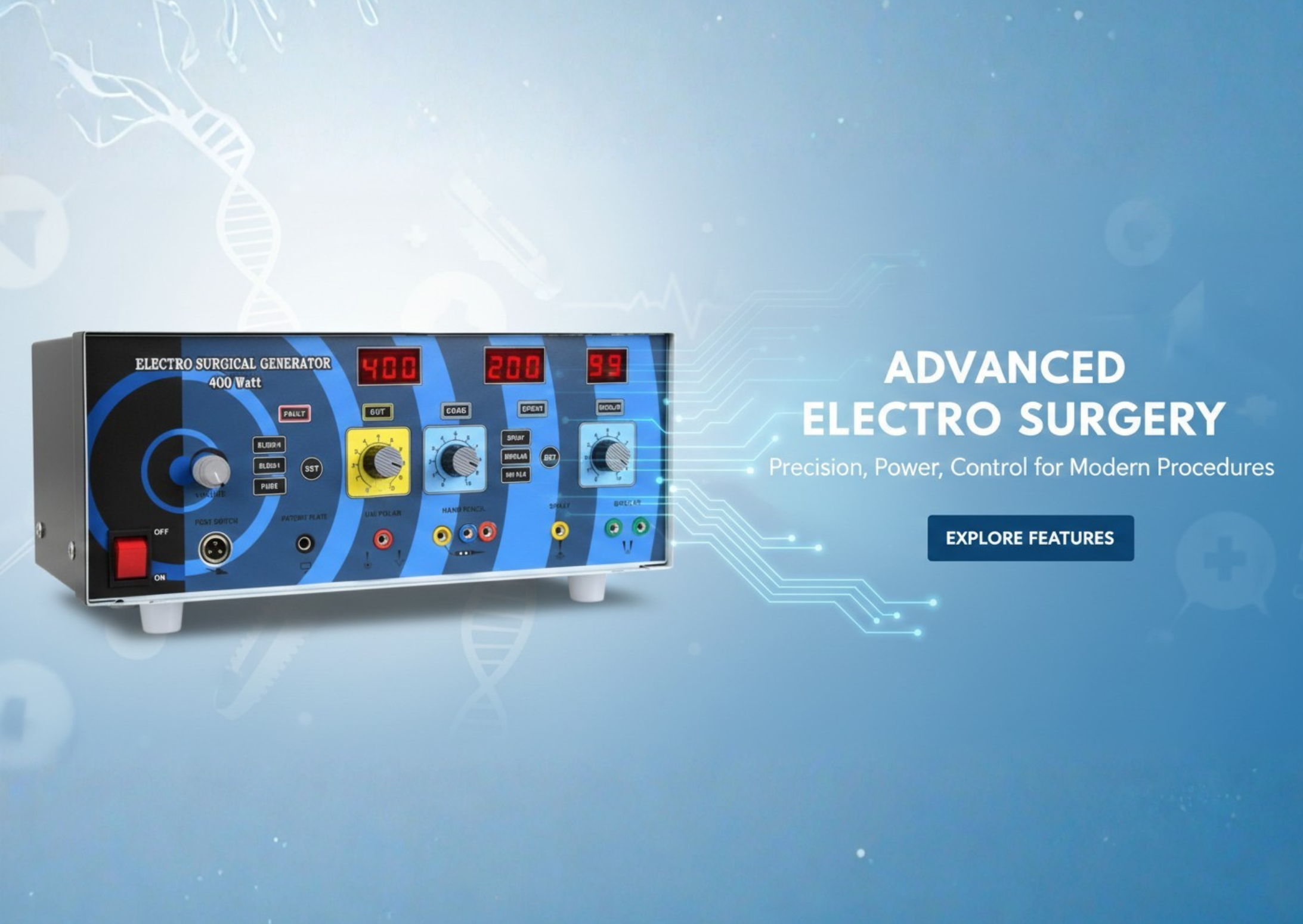
Digital Surgical Cautery 400W with Underwater Cutting

Precision Energy for Modern Surgery

In today’s operating rooms, surgical precision and patient safety are non-negotiable. A Digital Surgical Cautery Machine 400W with Underwater Cutting is a cornerstone tool in achieving exactly that — offering controlled energy delivery for cutting, coagulation, and hemostasis while minimizing tissue damage and blood loss. This powerful electrosurgical unit is widely used in general surgery, gynecology, urology, optics, and more.

What Is a Digital Surgical Cautery Machine?

A surgical cautery machine — also known as an electrosurgical unit (ESU) — uses high-frequency electrical currents to cut tissue and control bleeding during surgical procedures. With a 400W power output, this unit is capable of handling demanding surgical tasks efficiently.

Adding underwater cutting capability ensures that the device remains effective even in irrigated environments where fluids are present, such as endoscopic or laparoscopic surgeries. This is especially relevant for procedures requiring precision under moist conditions.

Key Features & Benefits

🔹 High-Power Output (400W)

The robust 400W output supports smooth, controlled incisions and reliable coagulation across multiple tissue types, making it suitable for high-volume surgical settings.

🔹 Versatile Cutting & Coagulation Modes

Modern digital cautery machines often offer a range of modes like pure cut, blend cut, spray coagulation, and bipolar coagulation. These options give surgeons the flexibility to adapt to varied procedural needs.

🔹 Underwater Cutting Function

Underwater capability improves usability in saline-irrigated surgical environments such as arthroscopy or laparoscopic procedures, ensuring uninterrupted performance even when fluids are present.

🔹 Digital Interface & Safety Systems

Digital control panels with clear displays make operation intuitive, while advanced safety features (such as impedance monitoring and automatic shut off) protect patients by preventing unintended burns or current leakage.

Why Surgeons Choose a 400W Digital Cautery

Electrosurgical units like the 400W digital cautery machine have transformed modern surgical techniques by offering:

  • Reduced blood loss and improved hemostasis

  • Faster operative times

  • Minimal collateral tissue damage

  • Versatility across specialties — from general to laparoscopic surgery

    Whether it’s delicate tissue dissection or complex vessel coagulation, the stability and precision of a digital electrosurgical generator help clinicians perform with confidence


    Typical Surgical Applications

    This advanced cautery system is used across a wide range of medical procedures, including:

    General Surgery

    Clean cuts and effective hemostasis in abdominal, thoracic, and orthopaedic surgeries.

    Gynecology & Obstetrics

    Precise tissue control in procedures like myomectomy, hysterectomy, and laparoscopy.

    Urology

    Reliable cutting and coagulation in TURP, prostatectomies, and other genitourinary surgeries.

    Neurosurgery & ENT

    Minimized bleeding in delicate and tight surgical spaces.

    This broad applicability makes the 400W digital cautery machine an essential piece of equipment for hospital operation theatres and surgical centres alike.

    Choosing the Right Electrosurgical Unit

    When considering a 400W Digital Surgical Cautery Machine, surgeons and healthcare facilities typically look for:

    High-quality digital interface with easy operation
    Support for both monopolar and bipolar modes
    Safety features like return electrode monitoring
    Underwater cutting capability for fluid-rich procedures
    Durability and reliable after-sales support

    These factors ensure that the device not only performs under pressure but also delivers consistent results during complex surgical workflows.

    Conclusion

    The Digital Surgical Cautery 400W with Underwater Cutting represents the pinnacle of electrosurgical performance — blending power, precision, and safety into one indispensable machine. From cutting and coagulation to fluid-compatible operation in minimally invasive techniques, this device elevates surgical precision while safeguarding patient outcomes. In an era where efficiency and accuracy matter more than ever, the 400W cautery machine stands as a trusted partner in surgical excellence.
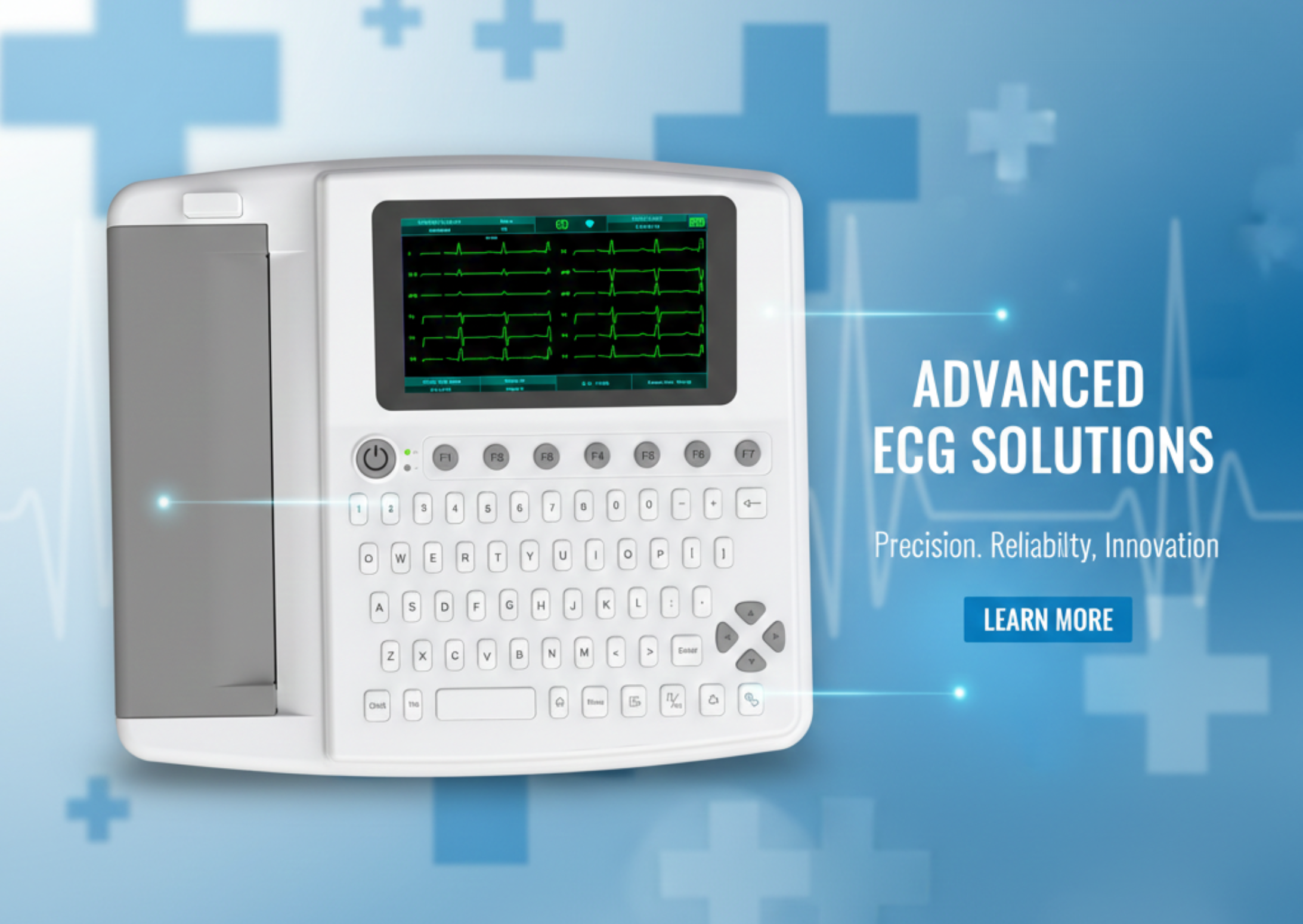
ECG Machine 12 Channel HD-1201

Where every heartbeat leaves a signature.

In the theater of modern diagnostics, the ECG machine is the quiet conductor, translating the rhythm of the heart into crisp, readable lines. The 12 Channel 1201 ECG Machine does not just record signals. It captures stories hidden between P waves and QRS complexes, turning electrical whispers into clinical clarity.

What Is a 12 Channel ECG Machine?

A 12 channel ECG machine records the heart’s electrical activity from 12 different perspectives simultaneously. Think of it as placing twelve windows around the heart, each offering a slightly different view. When these perspectives align, clinicians gain a comprehensive snapshot of cardiac function within seconds.

The “1201” model designation typically refers to a compact, high performance device built for reliability in hospitals, clinics, diagnostic centers, and emergency settings.

Key Features of the 12 Channel 1201 ECG Machine

1. Simultaneous 12 Lead Recording

All 12 leads are captured at the same time, ensuring accurate interpretation without time lag distortion. This is essential for diagnosing arrhythmias, ischemia, and myocardial infarction.

2. High Resolution Display

A clear digital screen allows real time waveform monitoring, making it easier for clinicians to review signals instantly before printing or storing.

3. Built In Thermal Printer

Instant printouts provide clean, precise ECG tracings for documentation and clinical review. No ink cartridges, no fuss.

4. Automatic Interpretation

Advanced algorithms assist with preliminary analysis, highlighting abnormalities. While not a replacement for physician expertise, it acts as a second set of digital eyes.

5. Compact and Portable Design

Lightweight construction makes it suitable for bedside use, outpatient departments, ambulances, and rural healthcare setups.

6. Data Storage and Connectivity

Internal memory allows multiple ECG records to be stored. USB or LAN connectivity enables easy data transfer to hospital systems.

Why 12 Channels Matter

A single lead ECG is like listening to a song through one speaker. A 12 lead ECG is surround sound for the heart. It detects:

  • Acute myocardial infarction

  • Cardiac arrhythmias

  • Conduction abnormalities

  • Electrolyte imbalances

  • Structural heart changes

Early detection means faster intervention, and faster intervention saves lives.

Applications Across Healthcare Settings

Hospitals

Used in emergency rooms, ICUs, and cardiology departments for rapid cardiac assessment.

Diagnostic Centers

Ideal for routine cardiac screening and pre operative evaluations.

Clinics and Private Practices

Compact design makes it practical for day to day cardiac evaluations.

Ambulances and Mobile Units

Portable and battery operated options ensure cardiac monitoring on the move.

Benefits for Healthcare Providers

  • Quick and accurate diagnostics

  • Reduced manual errors

  • Time saving automatic analysis

  • Durable build for long term use

  • Cost effective cardiac screening solution

What to Consider Before Buying

When selecting a 12 Channel 1201 ECG Machine, evaluate:

  • Display size and clarity

  • Battery backup duration

  • Printing quality

  • Data storage capacity

  • Warranty and service support

  • Compliance with medical standards

Choosing the right ECG machine is not just a procurement decision. It is an investment in precision care.

Final Thoughts

The 12 Channel 1201 ECG Machine stands as a vigilant sentinel in cardiac diagnostics. It listens patiently, records faithfully, and reveals silently. In a world where seconds can redraw the map of survival, this machine ensures that no heartbeat goes unheard.

Because sometimes, the difference between chaos and clarity is twelve perfectly placed leads.

Suction Machine: Essential Medical Equipment for Safe and Effective Airway Management

In any healthcare setting—from emergency rooms to home care—suction machines are critical for maintaining clear airways in patients who cannot remove secretions on their own. These devices, also known as suction apparatus, are used to remove mucus, blood, vomit, or other fluids from the mouth, throat, or lungs to ensure proper breathing and hygiene.

Whether in hospitals, ambulances, or home settings, a reliable machine suction unit plays a vital role in patient care. This blog will guide you through what a suction machine is, how it works, its features and benefits, and why it’s essential for various medical scenarios.

✅ What is a Suction Machine?

A suction machine is a type of medical equipment used to extract fluids from a patient’s body, typically from the airway or surgical site. It helps maintain clear breathing passages by mechanically pulling out obstructive fluids through a tube into a collection canister.

These machines are commonly used during surgeries, in emergency cases (like choking or cardiac arrest), and for patients with chronic respiratory illnesses.

🔧 How Does a Suction Machine Work?

The suction machine uses a vacuum pump to create negative pressure. This pressure draws fluids through a suction catheter and collects them in a sealed jar or container.

Main Components:

  • Vacuum Pump (electric or manual)

  • Suction Catheter

  • Collection Jar

  • Tubing

  • Power Source (AC or battery)

🌟 Key Features of Suction Machines

Modern suction apparatus come equipped with features that enhance their safety, portability, and functionality. When choosing a device, keep an eye on the following features:

1. Power Options

  • AC-powered for hospitals

  • Battery or rechargeable for field and portable suction machine use

2. Adjustable Suction Pressure

Customizable pressure settings to suit different procedures—like airway suction, tracheostomy care, or wound drainage.

3. Quiet Operation

Noise levels under 60 dB for patient comfort during use.

4. Compact & Portable Design

Lightweight body with ergonomic handles or wheels for suction machine for home use and transport.

5. Overflow Protection

Built-in overflow valves prevent liquid from entering the pump motor.

6. Reusable or Disposable Canisters

Easy-to-clean and sterilize jars that support hygienic usage.

7. LED Indicators or Pressure Gauges

Helps monitor suction pressure accurately during use.

🩺 Benefits of Using a Suction Machine

Whether used in clinical or home settings, suction machines offer several key advantages:

Improves Patient Breathing

Clears the airway quickly and effectively, reducing the risk of respiratory distress.

Reduces Infection Risks

Removes bacteria-laden mucus and fluids, preventing aspiration and secondary infections.

Convenient for Home Use

Compact suction machine for home use models offer easy operation even for non-medical users.

Highly Portable

Battery-powered or lightweight versions ensure emergency readiness in ambulances, homes, and field conditions.

Time-Efficient

Immediate suctioning in critical care can be life-saving—no need for manual methods.

Cost-Effective

Compared to hiring constant medical help, having a portable suction machine at home saves both time and money.

🔍 Types of Suction Machines

1. Manual Suction Machines

Useful in field or emergency setups without access to electricity.

2. Electric Suction Machines

Best for hospital or clinical use where continuous and reliable suction is required.

3. Portable Suction Machines

Ideal for ambulances and homes—lightweight with rechargeable batteries.

💡 How to Choose the Right Suction Apparatus

When selecting a suction unit, consider the following:

  • Suction power (adjustability)

  • Portability and weight

  • Noise level

  • Suction machine price vs features

  • Maintenance requirements

  • Reusability of canisters

  • Availability of spare parts and service


Conclusion

From critical care to post-surgery support, suction machines play an irreplaceable role in medical treatment and patient comfort. With the right features and proper usage, they provide a safe and hygienic way to manage fluids and secretions, improving recovery outcomes.

To get the most advance Suction Machine, must check at Hemodiaz Life Sciences or Hemodiaz.com.

You’ll find a wide range of models for hospitals, clinics, ambulances, and suction machine for home use—all certified, durable, and competitively priced.

Oxygen Concentrator: A Lifesaving Medical Equipment for Home and Hospital Use

In today’s fast-evolving healthcare landscape, access to reliable and efficient respiratory support has become more critical than ever. Whether in hospitals, clinics, or home care settings, oxygen concentrators have proven to be an indispensable part of respiratory therapy. These machines are designed to deliver continuous oxygen supply to patients with breathing disorders, such as COPD, asthma, and COVID-related complications.

In this blog, we will dive into what an oxygen concentrator is, its working mechanism, key features, and the benefits it offers. If you’re searching for a top-quality solution, we’ll also guide you to a trusted provider at the end of the article.

What is an Oxygen Concentrator?

An oxygen concentrator is a medical device used to deliver concentrated oxygen to individuals who require respiratory support. Unlike traditional oxygen cylinders, these machines do not store oxygen but generate it by extracting and purifying oxygen from the ambient air.

The device filters the air, removes nitrogen, and delivers oxygen-enriched air—typically around 90–95% pure oxygen—to the patient through a nasal cannula or mask. This eliminates the need for oxygen refills, making concentrators more practical and cost-effective for long-term use.

How Does an Oxygen Concentrator Work?

The basic working of an oxygen machine involves the following steps:

  1. Air Intake: Ambient air is drawn into the machine.

  2. Filtering: Dust and particles are removed via filters.

  3. Compression: The clean air is compressed for better separation.

  4. Nitrogen Removal: A molecular sieve filters out nitrogen, allowing concentrated oxygen to pass.

  5. Oxygen Delivery: The purified oxygen is delivered through a flow regulator and tubing.

Top Features of a Modern Oxygen Concentrator

When choosing an o2 concentrator machine, it’s essential to look for features that enhance usability, reliability, and performance. Here are some standard and advanced features found in modern units:

1. High Oxygen Purity

Delivers 90–95% oxygen concentration consistently, ensuring effective treatment.

2. User-Friendly Interface

Digital displays with easy-to-use controls for flow rate adjustments and operation status.

3. Adjustable Flow Rates

Multiple flow settings ranging from 1 to 10 LPM (liters per minute) to meet various clinical needs.

4. Portability

Lightweight designs with wheels and handles for ease of movement, especially for home users.

5. Energy-Efficient

Low power consumption models ensure 24/7 use without significant increases in energy bills.

6. Noise Reduction Technology

Quiet operation (<45 dB) ensures patient comfort, especially during nighttime use.

7. Built-in Alarms

Safety alarms for power failure, low oxygen concentration, or system malfunctions.

8. Continuous and Pulse Flow Modes

Some advanced units offer dual modes for better control in varying oxygen therapy needs.

9. Durable Construction

Long-lasting components and medical-grade materials for extended device life.

Benefits of Using an Oxygen Concentrator

The widespread use of oxygen compressors and concentrators comes down to the many advantages they offer, especially when compared to traditional oxygen tanks.

Safe and Consistent Supply

No worries about running out of oxygen or cylinder replacement. Continuous supply ensures peace of mind.

Cost-Effective

Over time, they are more economical than refilling oxygen cylinders regularly.

Ideal for Home Care

Compact design and easy operation make them perfect for home use without medical supervision.

Low Maintenance

Most units require simple filter cleaning and periodic servicing.

Mobility

Portable models allow patients to continue oxygen therapy while staying mobile and active.

Environmentally Friendly

Eliminates the environmental impact associated with transporting and disposing of metal cylinders.

Applications of Oxygen Concentrators

Oxygen concentrators are vital in the treatment of:

  • Chronic Obstructive Pulmonary Disease (COPD)

  • Pneumonia

  • Asthma

  • COVID-19 and other respiratory infections

  • Post-surgical recovery

  • Palliative care

  • Sleep Apnea (when used with CPAP machines)

Types of Oxygen Concentrators

There are two main types of oxygen concentrators:

1. Stationary Oxygen Concentrators

Designed for continuous oxygen therapy at home or in hospitals. These are bulkier but provide higher flow rates.

2. Portable Oxygen Concentrators (POCs)

Battery-operated units for on-the-go use. Ideal for travel, outdoor activities, or daily errands.

Conclusion

Choosing the right oxygen concentrator can make a significant difference in the quality of life for patients requiring oxygen therapy. From consistent oxygen delivery and cost-efficiency to ease of use and mobility, these devices are a cornerstone of modern respiratory care.

To get the most advanced Oxygen Concentrator, must check at Hemodiaz Life Sciences or Hemodiaz.com.

Whether you’re a healthcare provider or a caregiver seeking the best for your loved ones, Hemodiaz offers a wide range of reliable and certified medical equipment.

Understanding ECG Machine: Features, Benefits, and Importance in Modern Healthcare

In the ever-evolving world of healthcare, technology continues to reshape how medical diagnoses are made. One such essential diagnostic tool is the ECG machine. Used worldwide in clinics, hospitals, and diagnostic centers, this device helps monitor and detect heart abnormalities in a fast, reliable, and non-invasive way.

From basic screening to advanced cardiac care, the machine ECG is a must-have medical equipment for every healthcare setup.


What is an ECG Machine?

An ECG machine (Electrocardiogram) records the electrical activity of the heart over a period of time. It detects any irregularities in the heartbeat, rhythm, and structure of the heart, which can be vital in diagnosing conditions such as arrhythmias, heart attacks, and other cardiac disorders.


Key Features of an ECG Machine

1. Multi-Channel Recording

Modern ECG machines offer multi-channel configurations (3, 6, or 12 channels) that capture multiple leads simultaneously, providing a detailed heart rhythm analysis.

2. Digital Display & Printout

Clear digital displays show real-time results, and integrated thermal printers generate immediate ECG reports for diagnosis.

3. Portability

Many ECG machines are compact and lightweight, making them ideal for bedside or mobile use, especially in emergency and rural settings.

4. USB & EMR Connectivity

Advanced machine ECG models allow for data transfer via USB or integration with Electronic Medical Records (EMRs), making documentation seamless.

5. Rechargeable Battery

Reliable battery backup ensures uninterrupted service during power outages or fieldwork.


Benefits of Using a Modern ECG Machine

Quick Diagnosis

An ECG machine helps in the fast detection of heart-related conditions, enabling timely medical intervention.

Non-Invasive Testing

Patients can undergo heart monitoring without any pain or risk, making it a safe diagnostic method.

Cost-Effective

Compared to other cardiac diagnostic tools, ECG equipment cost is relatively affordable, especially for primary care clinics and diagnostic labs.

Early Detection

Routine use of ECG tests can detect heart issues before they become life-threatening.

Enhanced Workflow

With features like auto-interpretation and data storage, ECG machines help doctors work faster and more efficiently.


ECG Equipment Cost and Value

When evaluating ECG equipment price, it’s important to consider not only the upfront cost but also the features, warranty, support, and long-term value. Entry-level models are available at economical prices, while advanced units with multi-channel and digital features may be priced higher.

Whether you’re a small clinic or a large hospital, selecting the right ECG model based on your needs and patient volume ensures better investment and care delivery.


To get the most advanced ECG machine, must check at Hemodiaz Life Sciences or visit Hemodiaz.com. Their range of medical equipment is built to meet international quality standards at a competitive ecg equipment price.


Conclusion

An ECG machine is more than just a diagnostic tool—it’s a critical piece of medical equipment that contributes directly to saving lives. With features like multi-channel output, data connectivity, and portable design, today’s machine ECG is faster, smarter, and more reliable than ever.

Whether you’re concerned about ECG equipment cost or looking for top-tier functionality, investing in the right device is crucial for accurate and timely cardiac diagnosis. Make the right choice with a trusted provider like Hemodiaz Life Sciences.

Patient Monitor: A Vital Tool in Modern Healthcare

In today’s advanced medical world, a patient monitor is one of the most essential devices used in hospitals, clinics, and even at home. Designed to continuously track a patient’s vital signs, this technology ensures better diagnosis, faster treatment, and improved patient outcomes. Whether it’s used in emergency settings or critical care units, a patient monitoring system plays a critical role in saving lives.

What is a Patient Monitor?

A patient monitor, also referred to as a health monitoring system, is an electronic device used to observe vital parameters like heart rate, respiratory rate, ECG, blood pressure, body temperature, and oxygen saturation (SpO2). These systems are especially important in intensive care units, where every second counts, making the ICU monitor an indispensable part of modern healthcare infrastructure.


Key Features of a Patient Monitoring System

  1. Multi-Parameter Monitoring
    A high-quality patient monitor can track several vital signs at once, providing comprehensive data about the patient’s health status.
  2. Real-Time Alerts
    These systems come with built-in alarms that notify healthcare staff immediately if any reading goes beyond safe limits.
  3. Advanced Display
    Most monitors feature high-definition screens to present data clearly and accurately, reducing the risk of misinterpretation.
  4. Data Storage & Connectivity
    Modern patient monitoring systems can store large amounts of data and connect to hospital networks, enabling better record-keeping and data sharing.
  5. Portability & Battery Backup
    Portable monitors with built-in battery support are useful in ambulances or emergency departments where mobility and continuous monitoring are required.
  6. User-Friendly Interface
    Touchscreen controls and intuitive design make it easier for medical professionals to operate the device quickly and effectively.

Benefits of Using a Health Monitoring System

  • 24/7 Monitoring
    One of the biggest advantages of a health monitoring system is continuous observation. This is especially crucial in ICUs, where patients require constant care.

  • Quick Response to Emergencies
    With real-time data and alerts, doctors can respond instantly to critical situations, reducing the chances of complications.

  • Better Clinical Decisions
    The data provided by a patient monitor supports more informed medical decisions, improving overall treatment quality.

  • Enhanced Workflow Efficiency
    Automation of monitoring reduces manual tracking by nurses, freeing up their time for other essential tasks.

  • Remote Access Capabilities
    Some devices offer remote monitoring options, making it easier for doctors to keep an eye on patients even from a distance.


Why It’s Important in ICU Settings

An ICU monitor is designed specifically for high-dependency areas. In such settings, the ability to detect any physiological changes instantly can mean the difference between life and death. The patient monitoring system in an ICU ensures that no critical sign goes unnoticed, giving doctors the confidence to act swiftly.


Where to Get the Most Advanced Patient Monitor

To get the most advanced patient monitor, must check at Hemodiaz Life Sciences or Hemodiaz.com. They offer cutting-edge solutions in patient monitoring tailored to meet the demands of modern healthcare facilities.


Conclusion

A patient monitor is more than just a piece of equipment—it’s a life-saving tool that supports healthcare professionals in providing the best possible care. From real-time tracking to data integration and remote access, today’s patient monitoring systems offer numerous features that enhance both the efficiency and effectiveness of medical services. Whether in an ICU, an emergency room, or a homecare setting, having a reliable health monitoring system is essential for quality patient care.

Add to cart